Author: Najaf Bhatti

Responsible AI is the practice of designing, acquiring, deploying, using, and monitoring artificial intelligence in ways that are lawful, secure, transparent, reliable, privacy-conscious, and accountable to the people affected by it. It is not limited to avoiding discriminatory algorithms. A responsible AI program must address the complete system surrounding the technology, including: The business objective. Training and operational data. Model capabilities and limitations. Human decision-makers. Vendor relationships. User interfaces. Security controls. Privacy obligations. Downstream actions. Monitoring and incident response. Applicable federal, state, local, and sector-specific requirements. A model can perform accurately during a controlled test and still create harm after…
Read More

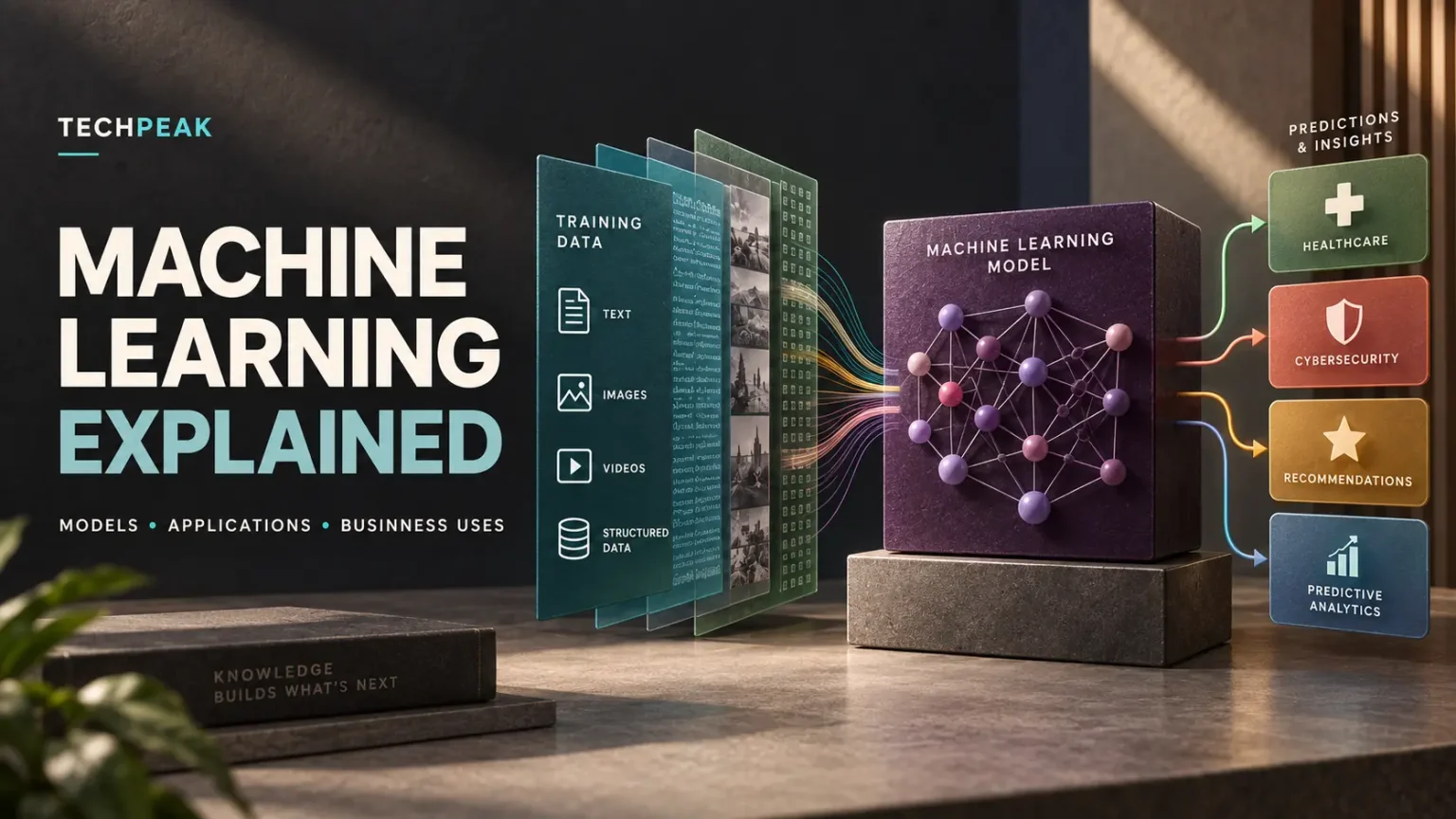
Machine learning is a branch of artificial intelligence that enables computer systems to identify patterns in data and use those patterns to make predictions, classifications, recommendations, or other decisions. Instead of programming every possible condition manually, developers give a machine learning system examples or historical data. The system uses an algorithm to discover mathematical relationships within that data. Those learned relationships form a model that can be applied to new information. A retailer might use machine learning to forecast product demand. A bank could use it to identify unusual transactions. A healthcare organization may use it to support image analysis…

Read More

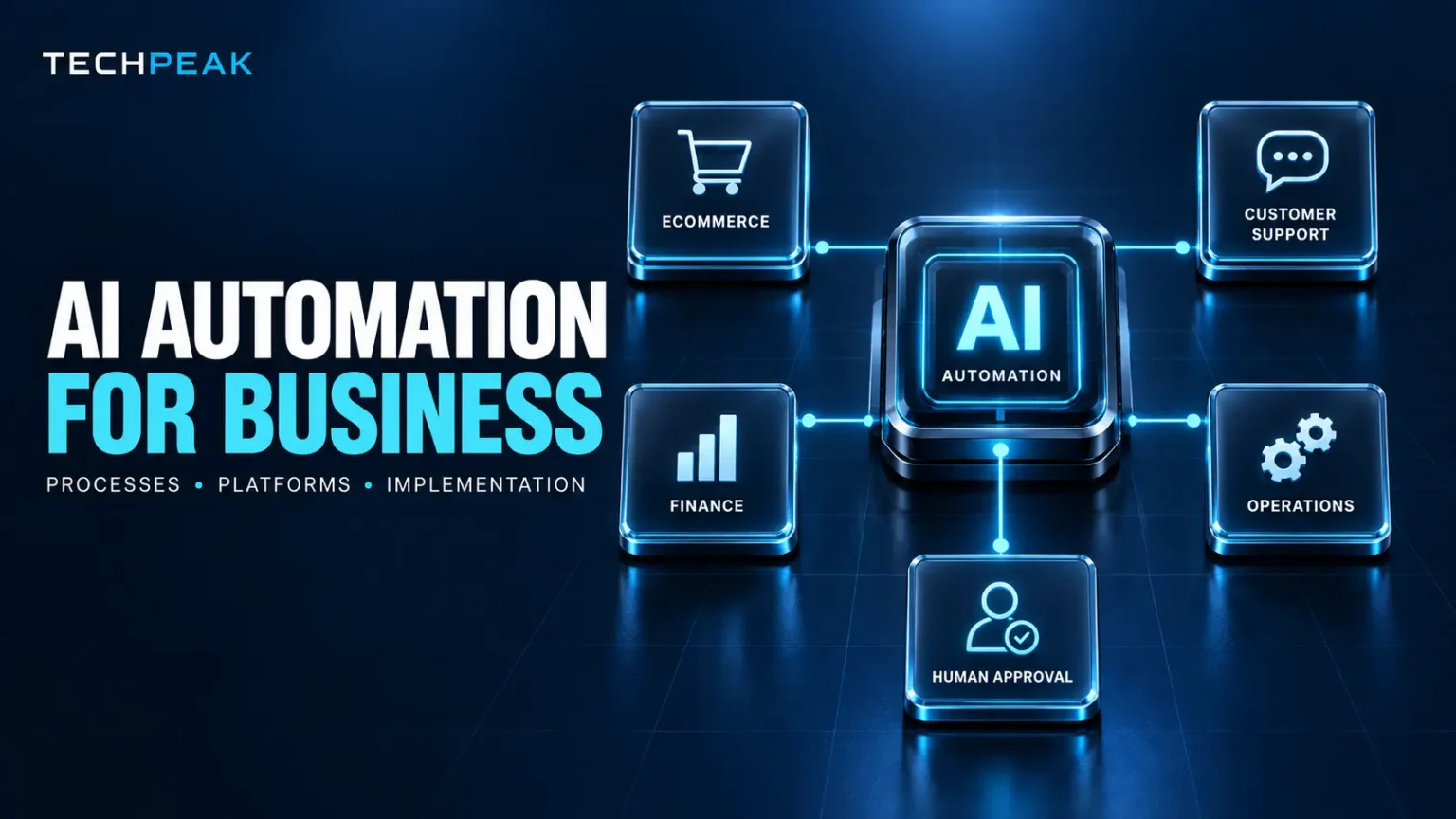
AI automation allows businesses to complete repeatable work, interpret unstructured information, coordinate software, and support decisions with less manual effort. Unlike traditional automation, which normally depends on fixed rules, AI-powered automation can classify messages, extract information from documents, summarize conversations, recognize patterns, generate content, and recommend an appropriate next action. That additional flexibility makes AI automation useful in customer support, ecommerce, sales, finance, operations, document processing, and other functions that involve both repetitive tasks and limited judgment. However, successful automation is not simply a matter of connecting an AI model to every application. A reliable system combines AI with business…

Read More

The best AI tool for a business is not necessarily the product with the most advanced model or the longest feature list. It is the tool that solves a defined business problem, integrates with existing workflows, protects company data, gains employee adoption, and produces measurable value at a sustainable cost. A small company using Google Workspace may benefit from a different AI platform than an enterprise operating primarily in Microsoft 365. A customer-service department handling thousands of repetitive requests needs different capabilities from a remote design team, sales organization, or professional-services firm. Businesses should therefore select AI software by use…

Read More

Generative artificial intelligence is a category of AI capable of producing new text, images, audio, video, software code, and other digital material in response to instructions or data. Unlike systems created only to classify information or predict a predefined outcome, generative models can construct original outputs based on patterns learned during training. Businesses in the United States are using generative AI to draft documents, summarize research, develop software, assist customer-service teams, analyze business information, create marketing assets, and accelerate routine knowledge work. The technology can improve productivity and experimentation, but it can also produce false information, expose confidential data, reproduce…

Read More

Cloud computing gives individuals and organizations on-demand access to computing resources—including applications, storage, databases, networking, processing power, and development tools—over a network. Instead of purchasing and operating every component locally, a customer can obtain resources from a cloud provider and adjust capacity as requirements change. For businesses, cloud computing can accelerate deployment, reduce infrastructure-management work, support distributed teams, and provide access to capabilities that would be difficult to build internally. It does not, however, automatically make technology cheaper, safer, or more reliable. Those outcomes depend on architecture, governance, configuration, workload behavior, staff expertise, and contractual terms. The right cloud strategy…

Read More

Business technology is the software, hardware, data and digital infrastructure an organization uses to operate, communicate, serve customers and make decisions. The right technology can remove repetitive work, connect scattered information and create better experiences. The wrong technology can add cost, security exposure and complexity without solving the underlying problem. This guide explains how U.S. businesses can evaluate and use five important technology categories: software as a service (SaaS), customer relationship management (CRM), project-management software, marketing technology and workplace technology. It also provides a practical framework for selecting, securing, implementing and measuring a business technology stack. The short answer: Start…

Read More

Cybersecurity is the practice of protecting people, accounts, devices, applications, networks, and information from unauthorized access, disruption, manipulation, theft, or destruction. It is not a single product. Effective security combines technology, repeatable processes, informed decisions, and people who know what to do before and during an incident. For an individual, that may mean using a password manager, enabling multifactor authentication, installing updates, recognizing scams, and maintaining recoverable backups. For a business, it also means knowing which systems and data matter most, controlling access, evaluating vendors, monitoring unusual activity, preparing an incident-response plan, and assigning accountability. The objective is not to…

Read More

 What is artificial intelligence? Artificial intelligence is a field of computing focused on systems that perform tasks associated with human intelligence, such as recognizing patterns, understanding language, generating content, making predictions, recommending actions, and solving problems. Most AI in everyday use is designed for specific tasks. It does not possess general human understanding simply because it can produce fluent or convincing output. Modern AI systems learn statistical relationships from data or follow rules and optimization processes created by people. A model receives an input, processes it using learned parameters or programmed logic, and produces an output. Depending on the system,…

Read More